17 Fit Food calories Vegetables and mushrooms
Konjac calories and nutrition facts
Konjac (block): 5 kcal per 100 g, protein 0.1 g, fat 0 g, carbs 0.1 g.
The konjac root is made into a firm, jelly-like block called konnyaku in Japan and into translucent shirataki noodles, now popular in keto and low-carb cooking. Both are mostly water and fiber, at about 7 kcal per 100 g for the noodles. Rinse them well to remove the smell of the packing liquid, then dry-fry before adding sauce.
- Low energy
- High in fibre
- Fat-free
- Very low salt
- Protein 8%
- Fat 0%
- Carbs 8%
- Other 84%
In everyday portions
- 100 kcal is 2,000 g this much of it gives 100 kcal
- Energy density Very low 0.05 kcal per gram: the lower it is, the more food you get for the same calories
All the variants
How the calories and macros change with the variety and the cooking. Values per 100 g.
| Variant | Kcal | Protein | Fat | Carbs |
|---|---|---|---|---|
| Konjac block | 5 | 0.1 | 0 | 0.1 |
| Shirataki noodles | 7 | 0.2 | 0 | 0.1 |
Nutrition per 100 g
The percentage is the share of an adult’s daily reference intake set by the EU (Regulation 1169/2011). What the % means
Konjac block
Energy and macros
- Energy 5 kcal 21 kJ <1%
- Protein 0.1 g <1%
- Fat 0 g 0%
- Carbs available, without fibre 0.1 g <1%
- Fibre 2.2 g
- Salt 0.03 g <1%
Where the calories come from
- Protein 8%
- Fat 0%
- Carbs 8%
- Other 84%
Vitamins
- Vitamin A 0 µg 0%
- Vitamin D 0 µg 0%
- Vitamin E 0 mg 0%
- Vitamin K 0 µg 0%
- Vitamin C 0 mg 0%
- Vitamin B1 thiamin 0 mg 0%
- Vitamin B2 riboflavin 0 mg 0%
- Vitamin B3 niacin 0 mg 0%
- Vitamin B5 pantothenic acid 0 mg 0%
- Vitamin B6 0.02 mg 1%
- Folate B9 1 µg <1%
- Vitamin B12 0 µg 0%
- Choline no data
Minerals
- Potassium 33 mg 2%
- Calcium 43 mg 5%
- Phosphorus 5 mg <1%
- Magnesium 2 mg <1%
- Iron 0.4 mg 3%
- Zinc 0.1 mg 1%
- Copper 0.02 mg 2%
- Manganese 0.02 mg 1%
- Selenium no data
- Iodine no data
- Sodium 10 mg <1%
EU criteria for nutrition claims
- Low energy
- High in fibre
- Fat-free
- Very low salt
Shirataki noodles
Energy and macros
- Energy 7 kcal 29 kJ <1%
- Protein 0.2 g <1%
- Fat 0 g 0%
- Carbs available, without fibre 0.1 g <1%
- Fibre 2.9 g
- Salt 0.03 g <1%
Where the calories come from
- Protein 11%
- Fat 0%
- Carbs 6%
- Other 83%
Vitamins
- Vitamin A 0 µg 0%
- Vitamin D 0 µg 0%
- Vitamin E 0 mg 0%
- Vitamin K 0 µg 0%
- Vitamin C 0 mg 0%
- Vitamin B1 thiamin 0 mg 0%
- Vitamin B2 riboflavin 0 mg 0%
- Vitamin B3 niacin 0 mg 0%
- Vitamin B5 pantothenic acid 0 mg 0%
- Vitamin B6 0.01 mg <1%
- Folate B9 0 µg 0%
- Vitamin B12 0 µg 0%
- Choline no data
Minerals
- Potassium 12 mg <1%
- Calcium 75 mg 9%
- Phosphorus 10 mg 1%
- Magnesium 4 mg 1%
- Iron 0.5 mg 4%
- Zinc 0.1 mg 1%
- Copper 0.02 mg 2%
- Manganese 0.03 mg 2%
- Selenium no data
- Iodine no data
- Sodium 10 mg <1%
EU criteria for nutrition claims
- Low energy
- High in fibre
- Fat-free
- Very low salt
Protein and carbs give 4 kcal a gram, fat 9. “Other” is fibre, alcohol and organic acids. Which of them 100 g of this food meets under Regulation (EC) 1924/2006.
Vegetables and mushrooms
Among vegetables and mushrooms
The category in the 17 Fit catalog: 263 foods. Compared per 100 g.
- 99% Fewer calories than 99% of vegetables and mushrooms.
Similar in composition
The foods with the nearest calories and macros.
- Celery 14 kcal
- Belgian endive 17 kcal
- Radishes 16 kcal
- Kimchi 15 kcal
- Bok choy 13 kcal
- Sauerkraut 19 kcal
More in Vegetables and mushrooms
The whole table: Vegetables and mushrooms17 Fit
Count calories without scales or tables
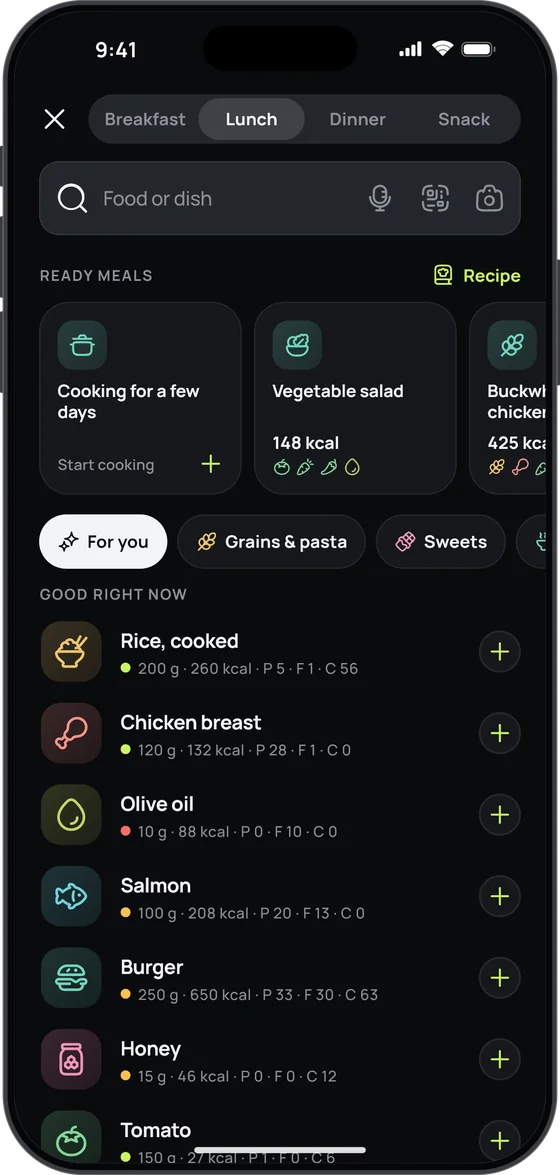
Snap your plate or just say what you ate — 17 Fit recognises the dishes, estimates the grams and counts the calories, macros, vitamins and minerals.
- Photo, voice or a search among 2,592 foods and dishes
- A plan that adjusts to your weight every week
- Free food diary, no sign-up and no ads


Where these numbers come from
the Standard Tables of Food Composition in Japan (MEXT), code 02003.
Carbs are available carbohydrates, without fibre, as on EU labels.